
Farage's Folly
Why he's in serious trouble and what happens if he quits
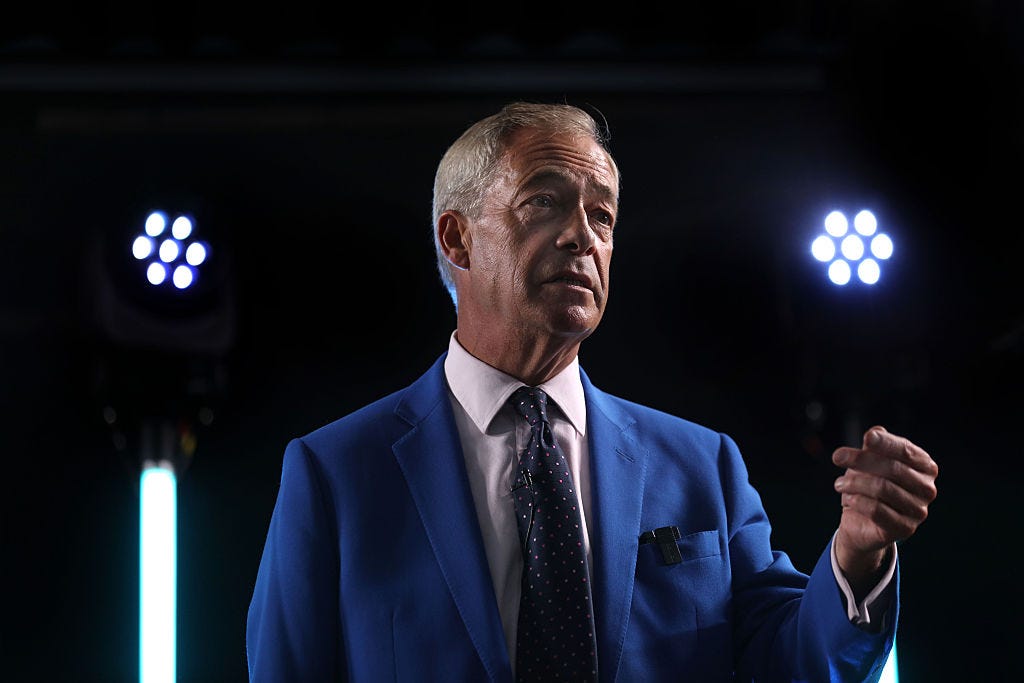
When I wrote last week that Nigel Farage was struggling under the pressure of scrutiny, I didn’t expect it to manifest so quickly.
Yesterday, in a somewhat panicked attempt to recapture the initiative he triggered a by-election in his Clacton constituency. Even had the other parties played along it was unlikely to work, as media and parliamentary investigations into his finances would continue anyway. Only the truly credulous would take a victory in his own seat, with its unusual demographics, as proof of national support.
But as the other parties have decided not to stand, the whole thing is now an embarrassment. The by-election will attract little media attention, as the result is not in doubt (no, sorry, as amusing as it would be Count Binface isn’t going to win). Any journalists who do make the trip to Clacton will have to spend their time interviewing novelty candidates and vox popping baffled voters.
Meanwhile, the stories about Farage’s finances keep coming. Just yesterday the Guardian revealed his £5 million donation from Thailand-based Crypto-billionaire Christpher Harborne was reported to the National Crime Agency as a potential case of money laundering. And the Sunday Times journalist Gabriel Pogrund posted new details about the tangled web of donations from shady aristocrat George Cottrell and his family.
Farage’s self-pitying monologue that preceded his announcement about the by-election was not put on for effect. He is genuinely aggrieved at the level of attention his finances are getting, and has always felt his decision to forgo earnings to participate in politics is a sacrifice that he doesn’t get credit for. Perhaps the most revealing line in his speech was when he said:
“I thought over the weekend, what shall I do? I could go out and try and make some real big money. I could go to the USA, where I’ve got plenty of offers.”
This isn’t rhetorical. It is, and always has been, a real option for him. It’s why he relinquished the leadership of Reform to Richard Tice in 2021 and only took it back during the 2024 election campaign after Harborne had given him the £5 million. There were already plenty of rumours about his commitment to the role before this week’s gambit. His tetchy, graceless, performance only adds to the sense he’s going to struggle to make it through another three years. Especially, as he’s failed to kill the Tory party, which makes a majority extremely hard to achieve.
In the rest of the post I’ll look at why an early exit is increasingly plausible, and how it could be triggered. Followed by what might happen to Reform, and British politics, if he were to go.
Keep reading with a 7-day free trial
Subscribe to Comment is Freed to keep reading this post and get 7 days of free access to the full post archives.