
Trump turns on Netanyahu
What does the Iran debacle mean for the future of US-Israeli relations?

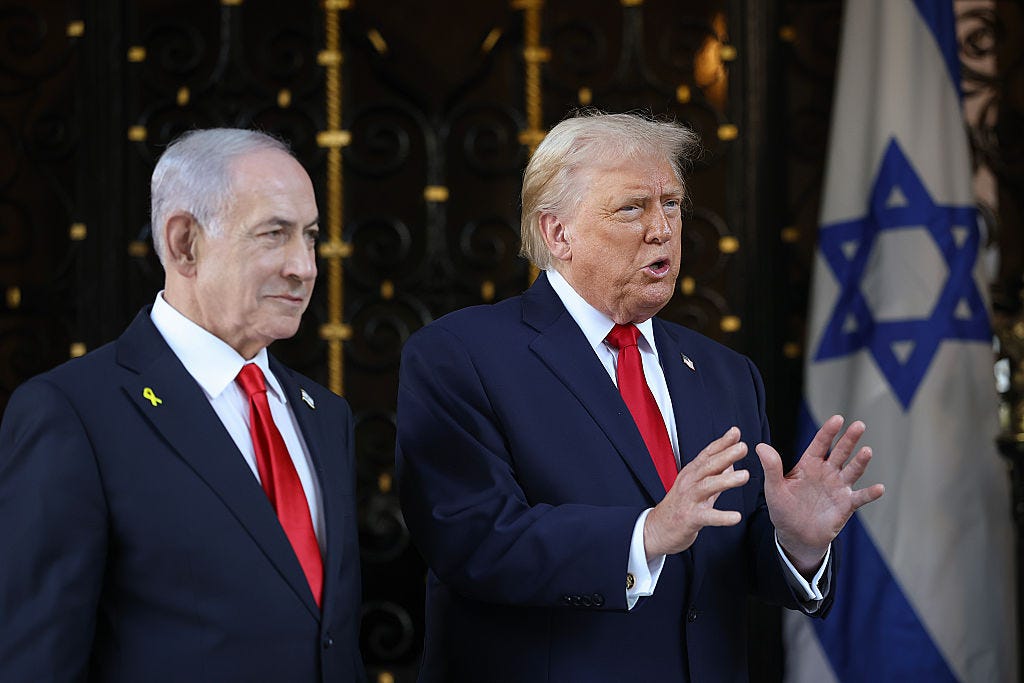
Israel’s approach to ceasefires — and it has been involved in many - follows a pattern. The starting point is normally that they don’t want a ceasefire because they have unfinished business. They also wish it to be known that they will always do what is necessary as an independent sovereign power to protect their security whatever anyone, including the US, tells them to do. This requires fighting at least one day after the demand for a ceasefire if only to make the point that they can. But they also have a keen sense of how far they dare go before they will be put under real pressure, so, having made their point, they agree. Once the ceasefire comes into effect they will claim that it is being violated by the other side. Eventually things are patched up and while skirmishes may continue the ceasefire can be considered in place.
This familiar pattern was followed after the US-Iran MOU had been published. Despite a ceasefire being agreed on Friday, however, the subsequent fighting was significant. Hezbollah claimed to have struck Israeli forces on the move inside Lebanon and Israel responded. On Saturday there were reports from Iran that the Strait of Hormuz was being closed again though the situation remains unclear, as does the status of the various negotiations that are now taking place in Switzerland to implement the MOU.
This time the situation feels different for other reasons. The Trump Administration’s exasperation with Israel for subverting its peace deal with Iran was not hidden and was expressed in vivid terms, reminding Israel of its dependence on the US. The Iranian regime has noted this fault line and has sought to exploit it by emphasising how much the MOU depends on the US getting Israel to comply (without it being wholly clear what it is doing to get Hezbollah to comply). This confirms the Israeli government in its view that the MOU represents an effective capitulation to Tehran.
They were not only not part of the negotiations but were not even shown the MOU before it was signed. Once they saw it they were unimpressed, unconvinced that Iranian nuclear ambitions will be stemmed, while claiming that two more weeks of pressure would have brought the regime down. If the MOU survives the coming days, they will be stuck with an even harder line regime benefitting from a financial lifeline as fund are released. The methodology for dealing with the nuclear threat remains tentative at best.
Israel is not alone in being appalled by the MOU. Trump is being vigorously attacked by Republican hawks while Democrats ask why this war was fought at all, given that its consequences were all negative. Trump’s brazen inconsistency while he embraces positions he once denounced and plays down matters previously described as vital makes it worse.
Even as Israeli leaders were being belittled Trump described Iran’s leaders as ‘very rational people … nice to deal with …. not radicalized and … looking to help their country.’ They should be allowed some ballistic missiles (‘if other countries have them, it’s a little bit unfair for them not to have some’), despite eliminating the missile threat being one of the original war aims. If Iran violates the promise to not ‘procure or develop nuclear weapons’, ‘ [w]e’re gonna bomb the hell out of them’, even though the first paragraph of the MOU contains an unconditional commitment not to ‘initiate any war or any military operation against each other.’ Iran will only receive funds ‘if they’re doing things right,’ but the US has already issued a waiver allowing Iran to export oil and Trump described the frozen asset that Iran expects to be returned as ‘their own money.’
Drawing attention to these statements is not just to demonstrate Trump’s hunt for arguments, however random and dubious, to rationalise his retreat but to underline how much these aggravate the differences with his erstwhile Israeli partners. His reasons for ending the war - the risk of using up reserves of weapons and of yet more economic damage if the conflict continued with the Strait of Hormuz closed - have little to do with the original war aims.
There are many uncertainties about how this MOU will be implemented. Much depends on how Tehran plays it. At the moment it is relishing American embarrassment and insisting it has achieved a great victory. But the situation inside Iran remains harsh and desperate so they will need to sort out their priorities and there are already reports of disagreements in the ruing group. The question I’m addressing in this post, however, is not the fate of the MOU or of Iran but instead the future of the US-Israel relationship, which has long been one of the most consequential in the Middle East.
Keep reading with a 7-day free trial
Subscribe to Comment is Freed to keep reading this post and get 7 days of free access to the full post archives.