
Troubleshooters
How to get people believing in the state again
I broke my shoulder after slipping on ice last week, so this is my first attempt at writing an article via dictation and editing (don’t worry it’s not another piece about my A&E experiences). It’s quite a different mental process but hopefully the end product is fairly similar.
Have you tried getting a passport or driving licence renewed recently? It’s incredibly easy and nearly always arrives in a few days. This is a relatively new phenomenon. In 2022 the passport office was in crisis, and all over the front pages, as it was overwhelmed by post-covid applications. But with the implementation of a new digital process it now works so well that it’s being copied by multiple other countries.
Repeat prescriptions are another example of a massively improved service. The NHS app has its flaws but I’m now able to press a few buttons and pick up my medicines from the pharmacy or have them delivered.
But these positive interactions with the state aren’t enough to change the general sentiment of decline and failure. This is partly because once things work we tend to take them for granted (for Londoners it’s easy to forget how unusual being able to pay for all public transport on your phone/card is until you leave the city). But it’s also because they’re too sporadic, so when things do work well it comes as a surprise. Many of our interactions with the state are still extremely frustrating, as anyone who has had a query for HMRC this month will know.
The government’s own digital strategy, published a year ago, acknowledges improvements to services are piecemeal and largely dependent on leaders who have little incentive to act and no training. Funding tends to be directed at new programmes rather than improving legacy systems. Some cross-government tools have been developed (like Pay and Notify) but there’s no overarching plan.
This feels like an opportunity that goes well beyond digital. One of the problems with reversing the “broken Britain” narrative is that it takes a long time to fix big complex issues like NHS capacity or our lack of key infrastructure. In a column for the Times to mark the new year, Keir Starmer complained about the demand for quick solutions saying: “the reality is that getting our country back on track is hard, difficult work and it takes time. That’s why I talk about a decade of renewal.”
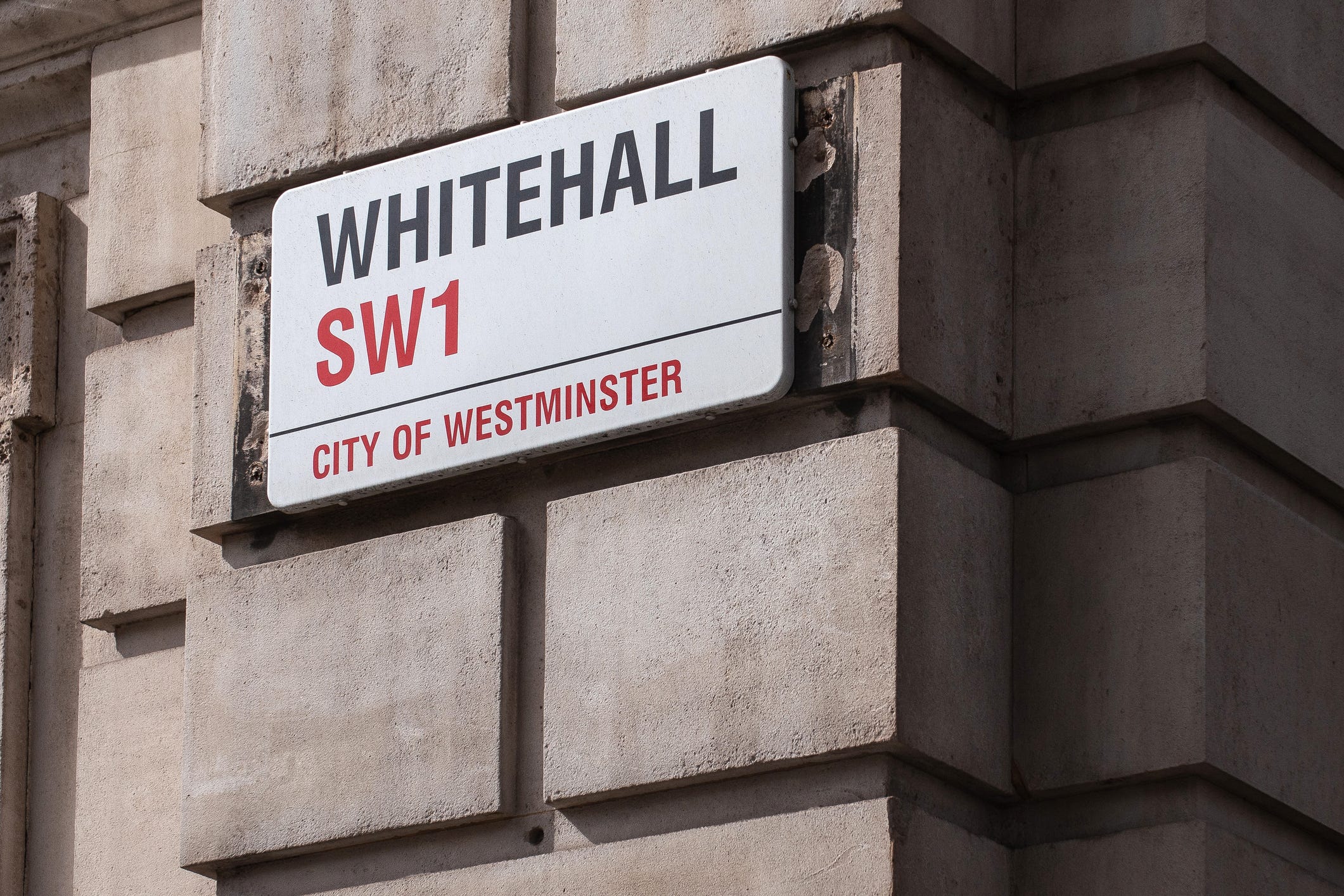
There are, though, plenty of smaller problems that cause immense annoyance and add to the impression of a country that doesn’t work, that could be fixed much faster. If this was done in a systematic way, led by a small coordinating team, with some cash, Prime Ministerial backing, and plenty of publicity it could show the state can work and create a snowball effect across Whitehall.
It wouldn’t solve all our problems, the long slog of difficult reforms often discussed on this substack would still be necessary. There are deeper structural changes to the way the state works required (more on this coming soon). But it doesn’t need to be either/or and this government doesn’t have a decade to show voters it can do something useful. In the rest of the post I’ll look at how this might work; give a list of six small but deeply frustrating problems it could fix (with some ideas as to how); and set out some general principles that could be applied more widely.
Keep reading with a 7-day free trial
Subscribe to Comment is Freed to keep reading this post and get 7 days of free access to the full post archives.