
Never again?
Memory entrepreneurship and the radical right’s assault on the postwar order
Katie Lam, the 34 year old shadow home office minister, has been designated by the press as the new Tory “rising star”, presumably due to lack of competition. She’s attracted attention by pushing her party’s policy to deport people with indefinite leave to remain if they earn less that £39k for six months or have ever received benefits, even if they’ve been living here for decades.
Taken literally this would involve mass deportations on a scale never seen in a postwar democracy – potentially up to 5% of the entire population. It is similar to Reform’s policy and both are beyond anything proposed by the BNP in the 2000s. Even if never implemented they are already having a negative effect as highly-skilled people with ILR wonder if it’s safe to remain here.
I was struck by an answer Lam gave, defending this policy, in a recent interview. She was asked why the international system of rights and laws set up in the aftermath of World War Two should no longer apply:
“Put simply, the international rules-based order is based on the idea that everyone would want to be nice to each other post-war. The reality is that’s not true and loads of people will exploit that generosity. If we’re not going to stand up for ourselves, we will lose the most precious things that we have.”
This is obvious nonsense. The UN Refugee Convention and the European Convention on Human Rights did not emerge because everyone assumed people would now be nice to each other. The horrors of the war convinced world leaders that rules were necessary to avoid it happening again. Lam’s assertion that “We don’t owe anybody access to our country other than people that we choose for our own benefit” – was one of the problems the creators of the postwar order were trying to fix. Of course the world looks very different now than it did in 1951, which might be an argument for changing the rules, but not denying their purpose.
Lam’s answer reminded me of a Douglas Murray article a few years ago in which he criticised proposals for a Holocaust memorial in London:
“Naturally it will be an extension of that way in which German war guilt keeps being spread across Europe and indeed the whole western world — as though we all did it, or were capable of doing it, as cheap would-be historians keep insisting….the focus will be on how Britain did not let in enough Jewish refugees in the 1930s. And since no one likes an unhappy ending, it will stress how we have made up for this in the years since by taking in millions of economic migrants from across the third world — something which we must obviously continue to do.”
Murray makes the argument more explicit: the moral guilt associated with the war is at fault for leading to today’s migration policies. He wants us to forget not remember.
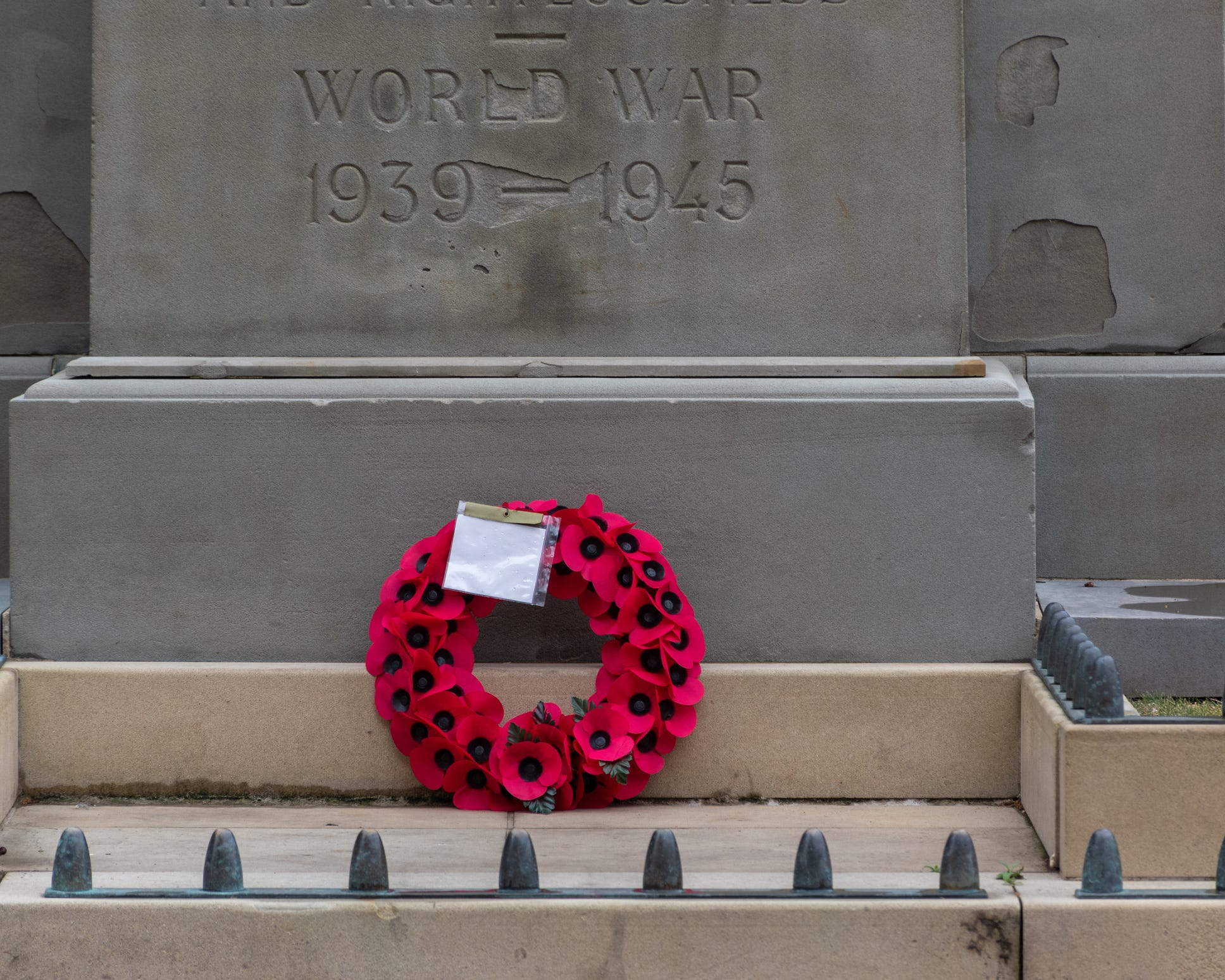
It is not a coincidence that the centre-right was at its strongest, particularly in Europe, in the decades immediately following the war. More extreme right-wing parties were pushed to the far fringes and stayed there as long as the conflict remained within living memory.
As that memory has receded, the nationalism it tempered is resurgent. But history remains a barrier to those seeking to collapse the international order created after the war. Which means changing how we see that history has become an important battleground in modern politics.
Memory entrepreneurship
Keep reading with a 7-day free trial
Subscribe to Comment is Freed to keep reading this post and get 7 days of free access to the full post archives.