
Iran and the consequences for Britain

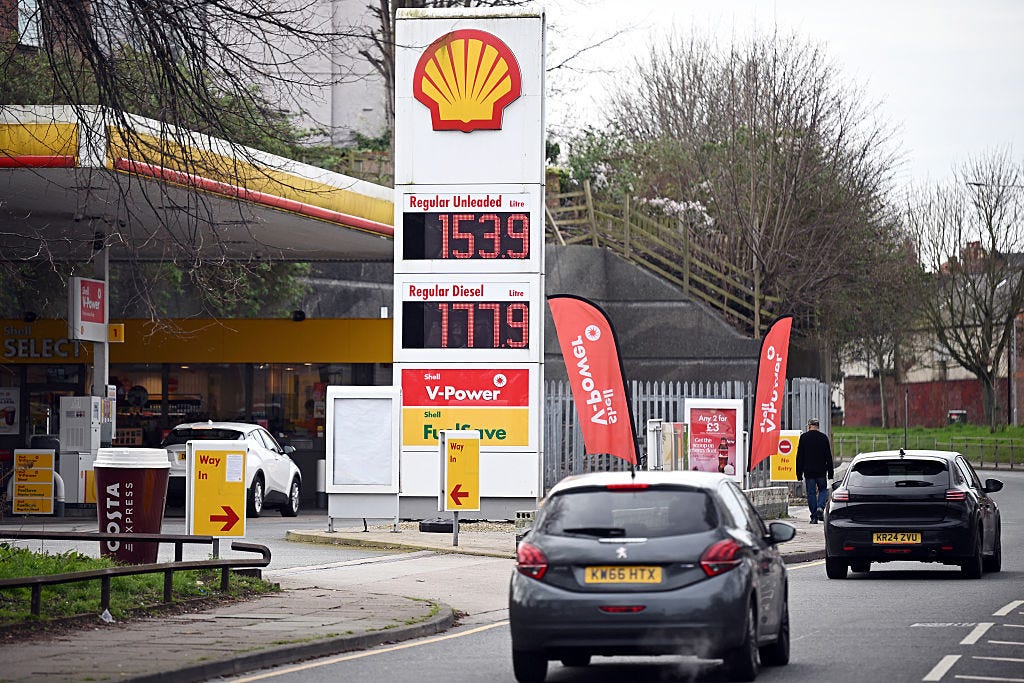
We don’t know how long the war in the Gulf will last. Donald Trump’s assertion yesterday that talks were ongoing has been denied by the Iranians but it seems likely that intermediaries in the region are trying to find a route to a ceasefire. Whether they succeed is another question. For now the Strait of Hormuz remains closed and the US and Israel continue to bomb targets in Iran. Thousands of marines are on their way to the region, leaving open the prospect of further escalation.
What we do know is the war has already lasted long enough, with enough damage done, to have serious economic consequences for the rest of the world. For every week it continues that damage will take longer to undo. About 20% of global oil capacity is out of action and, even once open, it will take months to get capacity back up to normal levels again. Gulf states are shutting down production due to lack of storage and that takes time to restart. Damage to the Ras Laffan facility in Qatar, which provides 20% of the world’s liquified natural gas, could take 3-5 years to completely fix. At the moment it’s shut.
The disruption to oil and gas supplies is significantly greater than at the start of the Ukraine war when prices spiked last time. Poorer Asian countries, that are particularly dependent on supplies from the Gulf, are already having to take drastic measures to preserve fuel, from introducing four day weeks to temporary blackouts. Some are just weeks away from running out.
As well as energy the Gulf is responsible for numerous other key elements in global supply chains. Around a third of the world’s fertilizers go through the Strait, which will have major implications for food prices. It’s also important for global supplies of sulphur, which is used to extract critical minerals and in numerous pharmaceutical and chemical products.
Richer countries are better placed to cope than developing ones, for whom a prolonged war would be catastrophic. But the inflationary effect of all this will still hurt a lot. In Britain we are particularly exposed due to already high energy costs, our dependency on imports, and a weak economy. Many of us have been saying for some time that the public finances are extremely vulnerable to another shock. Well here we are.
I’ll start by looking at the economic hit, but the impacts could go well beyond the financial. So I’ll go on to consider the geopolitical ramifications and how it could affect our relationships with the US and Europe, as well as second order consequences. At the end I’ll offer some suggestions for the government as to how it could use this moment to finally find its purpose.
Keep reading with a 7-day free trial
Subscribe to Comment is Freed to keep reading this post and get 7 days of free access to the full post archives.