
How much damage is Steve Witkoff causing? Can NATO help open the Strait of Hormuz? What are the prospects of war over Taiwan?
Answering your questions

Thanks for so many interesting questions.
Sam posted his answers earlier in the week - including ones on whether Andy Burnham is overrated, why the Tories seem so sanguine about their dire election results, and whether the BBC goes too easy on Nigel Farage.
I’m afraid that I didn’t have the space to deal with all of my questions, but I covered all the most commonly asked topics. Including:
Problems with US negotiating team of Witkoff and Kushner
The potential for Ukranian victory
European countries replacing US as mediators between Russia and Ukraine
Whether Putin is getting accurate assessment of the war
The impact of Ukrainian attacks on oil structure
Whether Putin fears assassination attempts and the prospects of one happening
The role of Palantir in supporting Ukraine’s armed forces
Whether a European/Canadian force could support Ukraine’s future defence
How can the UK government encourage national resilience like the Nordics?
Whether Europe can manage without the US and alternative leadership for NATO
The US and challenges of adopting drone technology
Is the strategic defence review already out of date?
Whether NATO can help open up the Strait of Hormuz
The prospects of a conflict over Taiwan and whether China could play a mediating role over Ukraine and Iran
Whether things can go “back to normal” post-Trump
How Israel can afford all its wars
The US position on the Falklands
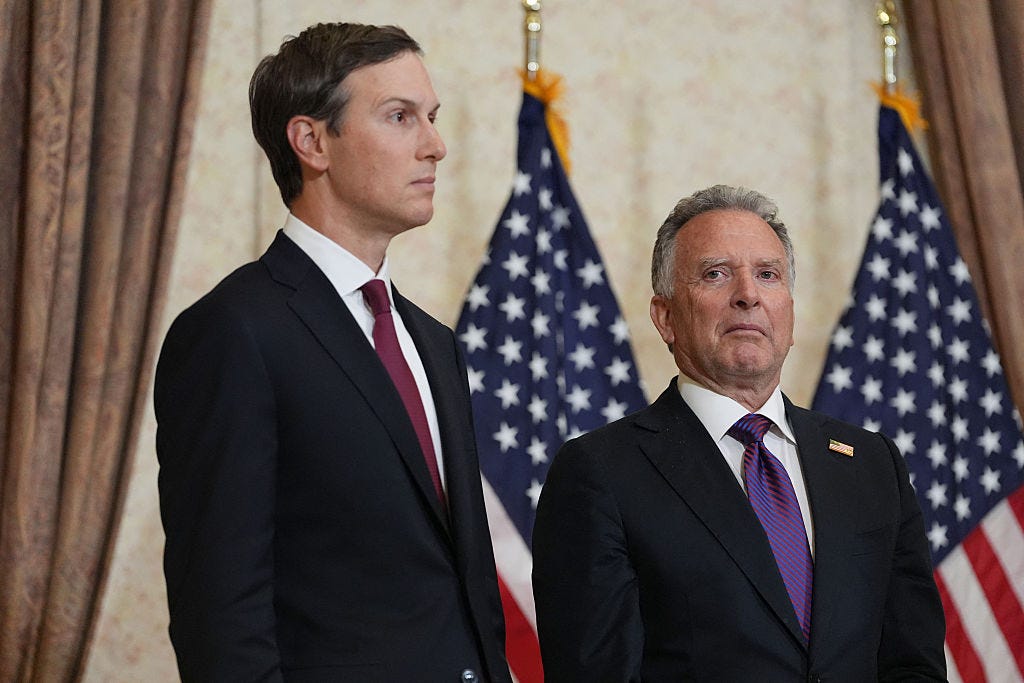
Anon How much damage do you think placing a complete amateur like Steve Witkoff in charge of key diplomatic negotiations is causing?
There are two problems with the team of Steve Witkoff and Jared Kushner. First they are amateurish in their methods and grasp of the issues at stake (Witkoff is probably worse in this regard than Kushner). They do not get proper records of their conversations which has led to misunderstandings and allows the Russians to claim that agreements have been reached when they have not. They travel light so do not have the expertise to hand when it comes to working out the practicalities of any proposals. In the end they treat these encounters as transactional real estate deals without understanding the history or the meaning of key issues for the belligerents.
They don’t push back when the Russians make outlandish claims. Witkoff has regularly said that he sees no reason to assume that Putin is lying (for example in providing military support to Iran). Other than with Gaza they have shown little creativity in framing potential solutions (and here they did not to do the main work). And then, including with Gaza, the follow up has been poor. This may not be entirely their fault because their boss is only interested in the impression he makes and has little interest in detail.
This article from Reuters describes a quite astonishing level of dysfunction in the Trump foreign policy apparatus, including the loss of so many knowledgeable professionals, he lack of ambassadors, and so on. And then the very special dysfunction of Witkoff, including his ignorance of essential facts.
One senior European diplomat said that during last-ditch talks in Geneva, the U.S. team struggled to grasp the significance of different uranium‑enrichment thresholds and other elements of Iran’s nuclear program, forcing European officials to explain. “How can you negotiate when you don’t understand the fundamentals?” the diplomat said.
’On February 28, after the Geneva talks failed, the U.S. and Israel started bombing Iran. On that day, and again on March 3, Witkoff briefed reporters on the talks. Those briefings suggested he had misread Iran’s proposal, exaggerating Iran’s nuclear threat by conflating limited enrichment of uranium with its near‑term weaponization.’
With both Ukraine and Iran the record is one of failure and a loss of credibility. The question is whether in the context of a generally dysfunctional administration anybody else could have done any better. Marco Rubio, the Secretary of State/National Security Advisor, who in principle might have been expected to lead vital negotiations, clearly decided that discretion was the better part of valour when it came to talking with the Iranians, and was content to let Vice-President Vance own the failure instead.
Walter Stahr: How do we get from where we are to victory for Ukraine? Not necessarily taking back every square mile of territory occupied by the Russians but a lasting peace along the lines of North and South Korea?
Keep reading with a 7-day free trial
Subscribe to Comment is Freed to keep reading this post and get 7 days of free access to the full post archives.