
How do you solve a problem like Crimea?

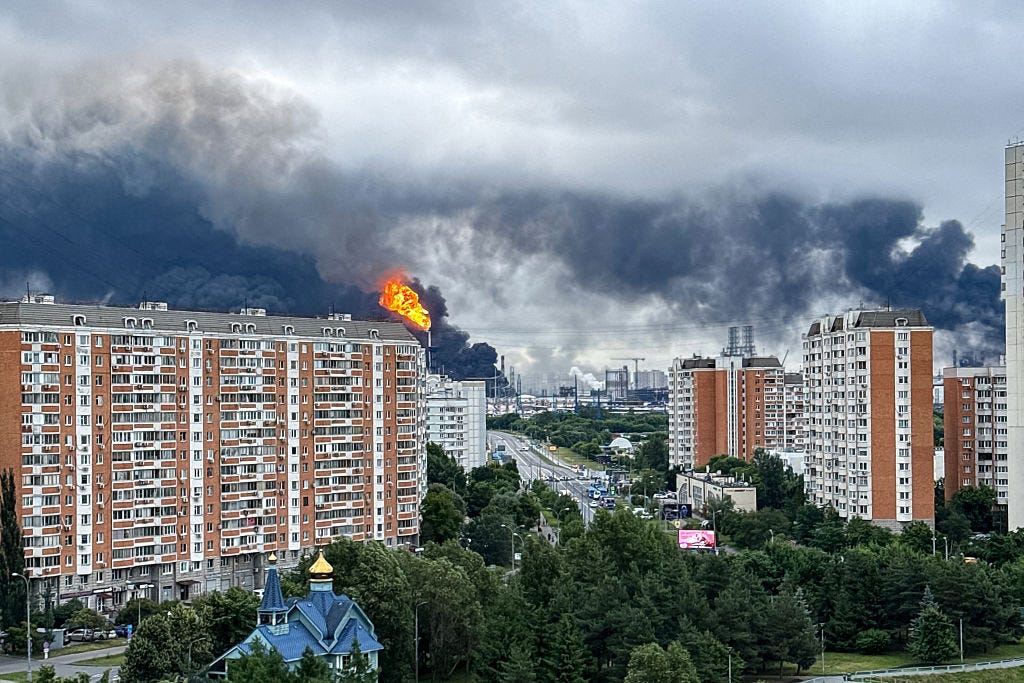
The big story in the Russo-Ukraine War remains the siege of Crimea. Ukraine has been systematically preventing supplies getting into the peninsula – attacking road, train, and ferry links. Putin’s prestige project, the Kerch Bridge, is still standing but it has been weakened and cannot take the weight of traffic for which it was intended. Fuel tankers and other heavy goods traffic are prohibited from using the bridge lest there be a repeat of the first Ukrainian attack, in October 2022. Then enormous damage was done by a truck bomb detonating alongside a railway tanker loaded with fuel oil. Most of the vehicles currently using it are seeking to flee Crimea.
There is now no spare fuel for civilians. There are power outages after strikes on energy infrastructure on 23 June left approximately half of the peninsula without electricity. Air defences are now practically non-existent and military assets are being attacked. The holiday trade has shut down. Crimea has been a vital base for Russia’s military operations against Ukraine. Now it provides a major headache for the high command. If they cannot get fuel to the peninsula then it will become progressively ungovernable. A state of emergency was declared on 26 June.
On the same day Ukraine mounted its biggest drone attack ever on Russia, including Moscow, with one of the main targets apparently the Azot chemical plant in Novomoskovsk. Targets relevant to Russian arms production have been hit regularly. The most visible effects of the Ukrainian campaign, however, are the chronic fuel shortages evident in the occupied territories and in many parts of Russia. Most refineries within range (and more are coming into range) have been struck, some a number of times.
The big refinery in Moscow hit on 18 June (pictured above) is now expected to be out of action until next year. NORSI, Russia's fourth-largest oil refinery and second-largest gasoline producer, suspended operations on 24 June after it was struck by drones. Petrol output now covers only about 80% of domestic demand. As the queues at garages lengthen, fuel sales are being restricted while prices have as much as doubled. Exports are banned and even imports are being considered. Flights are being cancelled. For an energy superpower this is, if nothing else, humiliating.
If Ukrainian strikes can keeping attacking the infrastructure faster than it can be repaired, then the Kremlin will face hard choices on priorities. Will air defences and fuel be taken away from front line forces to save Crimea and spare Moscow?
Now think back to the debates of the summer of 2022 when the Biden administration fretted that a Ukrainian assault on Crimea or long-range strikes deep into Russia, especially if supported by Western supplied systems, carried heavy risks of escalation. If they made Putin desperate or cross enough there was even a plausible route to nuclear war. Yet those red lines have long been passed. In the Russian blogosphere the failure to respond vigorously as each was breached is now blamed by hardliners for the current predicament. The ever more brazen Ukrainian attacks are prompting demands for retaliation – not only against Ukraine but against the West. There are mutterings once again about tactical nuclear weapons. A nuclear strike against London is a favoured option.
Keep reading with a 7-day free trial
Subscribe to Comment is Freed to keep reading this post and get 7 days of free access to the full post archives.