
Elections 2026: The Preview
Part one

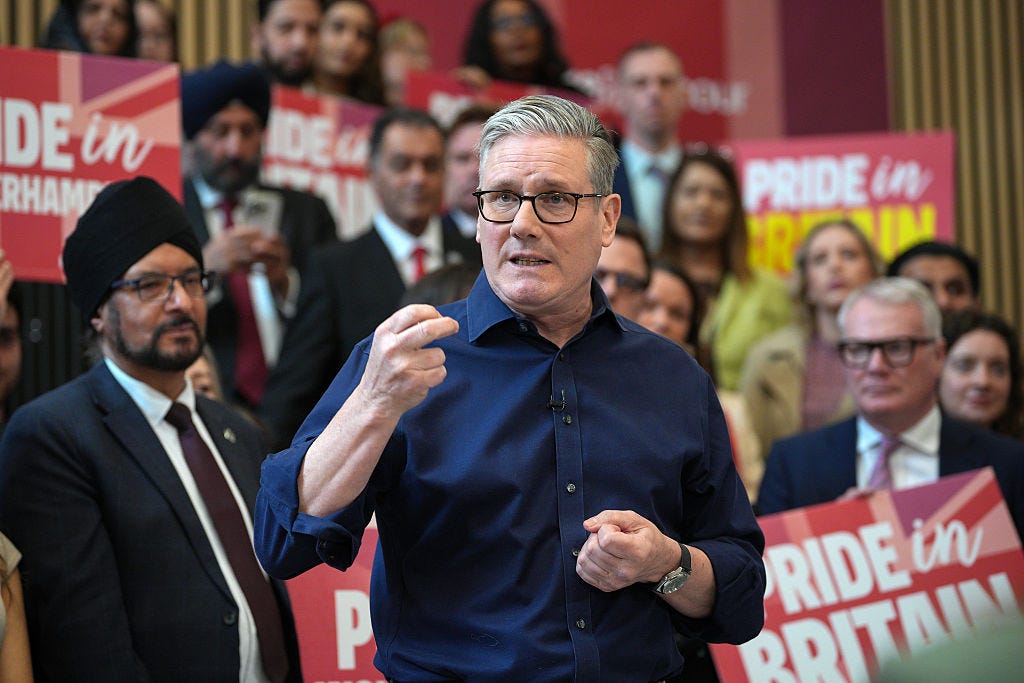
It’s election time in the UK again and as always I’ll be previewing all the contests and making predictions. As this is the biggest set of elections in this cycle, covering 5,000 seats across 136 councils in England, as well as votes for the Scottish and Welsh Parliaments, I’m going to split it into three posts. Today’s will cover the overall picture; part two will look in detail at the contests outside of London; and the third (which I’m doing in partnership with the excellent London Centric) will cover the capital. We’ve also got some exclusive polling coming later this month, which I hope will add to our understanding of the fragmenting party system.
All this will be interspersed with plenty of other content on domestic and global events for those of you are, understandably, not interested in this much detail on UK elections.
The stakes
At the headline level we know what will happen. Labour and the Tories will get hammered everywhere; Reform and the Greens will be the big winners in England; the Lib Dems will continue to do well in their battlegrounds; the SNP will win again in Scotland; and Plaid Cymru will likely be the largest party in Wales for the first time.
But the extent of these trends matters a lot. If the insurgent parties of left and right can meet high expectations they will consolidate control of their relative blocs, making it harder for the traditional parties to rely on their standard arguments about tactical voting in future elections.
The magnitude of Labour’s defeat could determine how much time Keir Starmer has left. If his party can hold on to a decent number of its safer councils against the Reform/Green surge it will feel like a victory. Doing well enough in Wales to stay in government, albeit in a coalition with Plaid, would feel very different to ending up on the Senedd backbenches, and not even as the main opposition party. In Scotland they could be the main opposition or come fourth.
It’s unlikely that there will be an immediate move against Starmer after the elections, however bad the result. His position has been temporarily strengthened by the seriousness of the global situation and worries about alternative options. MPs have welcomed his handling of the Iran crisis, given limited options. But, as I’ve said before, the overthrow of leaders rarely happens in response to a known event. Instead bad election results destabilise leaders and leave MPs more worried for their future, which means they are more likely to panic when a sudden crisis erupts. This is what happened with Boris Johnson. Results in the May 2022 local elections were worse than expected for the Tories, and led to a no confidence vote being triggered a month later. He won that, but was destabilised enough that when the Chris Pincher scandal broke that July he was done for.
Starmer has few strong supporters in his party. There is widespread frustration at his lack of direction across all factions. He is still in place because there isn’t agreement on a successor, but that means he remains vulnerable to a quick shift in mood. And the gloomier MPs are feeling about their future the more likely they are to join in.
As for the Tories, they seem stuck in a strange equilibrium. They know they’ll do badly, and their polling hasn’t improved at all since last year. But there’s also no interest in changing leader again and an apparent acceptance that there’s no route to a majority without a collapse in the Reform vote. Remaining moderate MPs have largely checked out. How bad a result would they need to shock them into action?
Keep reading with a 7-day free trial
Subscribe to Comment is Freed to keep reading this post and get 7 days of free access to the full post archives.