
Burnham's defining project
The five biggest challenges to making devolution work
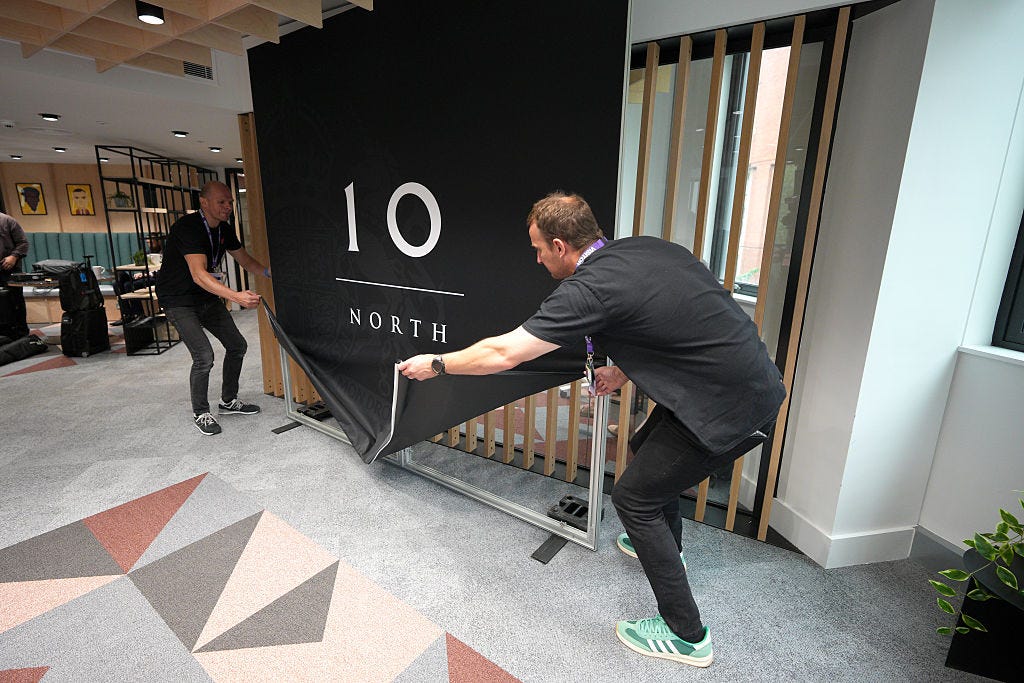
Number 10 North is already up and running opposite Manchester town hall (affectionately christened “Manc-a-largo” by some civil servants). As expected it has been given responsibility for devolution, with teams moving across from the Treasury and local government department. Louise Haigh and Angela Rayner, who are the two ministers most responsible, will spend a portion of their working week there. Several senior staff from the Greater Manchester team that supported Burnham when he was mayor, and know the benefits and pitfalls of devolution, have moved across. This is going to be the defining project of his premiership.
As regular readers will know this is an agenda I support. Much of my book was about the problems caused by an overcentralised state, which has gummed up the centre of government while leaving us without the capacity to deal with problems at local or regional level. A couple of years ago I wrote a report about how to decentralise public services, for which I interviewed several of the Greater Manchester officials now working in Number 10 North.
So I’m excited by the prospect of a prime minister who genuinely believes in pushing power out of Westminster. But I’m also worried about how it happens. Doing it badly would discredit the idea for a generation or more, as well as harming the economy and an already fragile public sector.
One obvious risk is that it is oversold as the answer to everything. Devolution, like any substantive policy, involves trade-offs. There are big potential benefits in freeing up central government to be strategic, joining up services at local level, and giving people a greater sense of control over their area. But that inevitably means creating disparities, as some places will be better governed than others. Some mayors have done a bad job; so have some local authorities. We will be able to learn from what works and what doesn’t - but there will be failures.
Devolution also means additional complexity, as different areas adopt different approaches to things like public health policy or apprenticeships. In some areas life will get harder for businesses and other institutions that need to interact with the state and have, to date, been able to focus their attention on one Whitehall department. In selling devolution, Burnham and his ministers need to be honest about the costs as well as the gains.
But as well as these inevitable costs there are choices about how to devolve that will affect how well it works, and could lead to the whole project collapsing. In the rest of the post I’m going to look at five of the most important choices. How they are made will tell us whether a decentralised England is being set up to succeed.
Keep reading with a 7-day free trial
Subscribe to Comment is Freed to keep reading this post and get 7 days of free access to the full post archives.