
Advice for advisers - 14 lessons for making government work

We have one final guest post this year from Henry de Zoete who wrote for us a few months ago on “How to Make Government Work” with a case study of the AI Security Institute. It’s been widely read across Whitehall. In this follow up he offers some more general guidance to those working with government on how to make things happen.
Henry was the Prime Minister’s adviser on AI in No10 Downing Street between 2023 and 2024. Before that he co-founded and sold a Y Combinator backed start up called Look After My Bills that automatically saved people money on their gas and electricity bills. Previously he was a non executive director at the Cabinet Office, 38 Degrees and Hornby PLC. He worked with me (Sam) in the Department for Education between 2010 and 2013. He is on substack at this link.
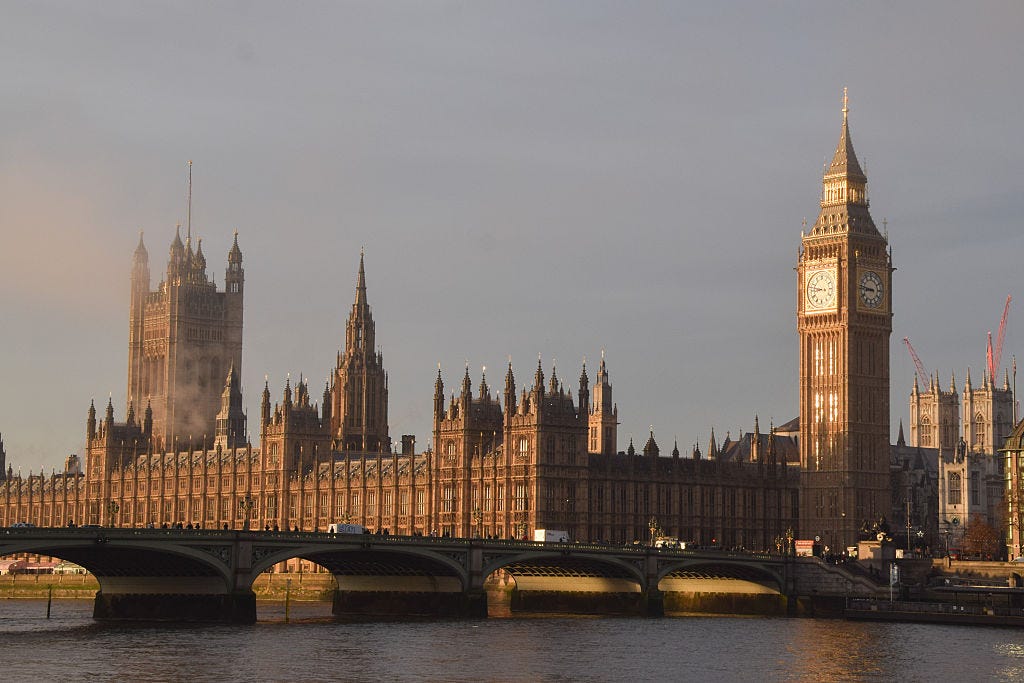
Recently Prime Minister Keir Starmer said he is “frustrated” because “the action from pulling the lever to delivery is longer than I think it ought to be”. This is a familiar refrain. I’ve heard similar from advisers working in this and many previous governments. Reflecting on his time as an adviser to Tony Blair, Jonathan Powell, now the national security adviser to Keir Starmer, wrote: “When you arrive in No 10 and pull on the levers of power, you discover they are not connected to anything.”
Here are 14 lessons for getting things done in government as an adviser. It serves a dual purpose: for those in government, it is advice; for everyone else, it attempts to dispel some myths about what advisers do.
It is a follow up to the piece I did for this substack on the rare British success story that is the AI Security Institute and the lessons it provides on how to make government work. Those lessons are fairly high level. This is more micro.
There are different shades of adviser. In 2010, I was a Special Adviser (SPAD) in the Department for Education. That means that I was a political figure, appointed by the Minister. I left in 2013 to build a start up and returned to government in 2023, this time as a direct ministerial appointment, working as the Prime Minister’s AI Adviser in Number 10. This second sort of adviser are civil servants - they aren’t political - although like SPADs they are likely to be recruited from outside the civil service (Sam was one of these). It’s more commonly the route through which academics or people from the private sector are brought in to lend their expertise. My advice applies to all flavours.
Please note that this post is based on how the civil service and the Government currently works. I’m not giving a view on whether it should be reformed or how (I may come back to that). But rather how best to make things happen within the confines of the existing system.
Also this is just my take having been a SPAD and a civil servant working with SPADs. Others will have different, quite possibly better, views. I’m keen to hear them.
Keep reading with a 7-day free trial
Subscribe to Comment is Freed to keep reading this post and get 7 days of free access to the full post archives.
 | A guest post by
|