
A theory of power
Burnham's cabinet choices and changes to No. 10
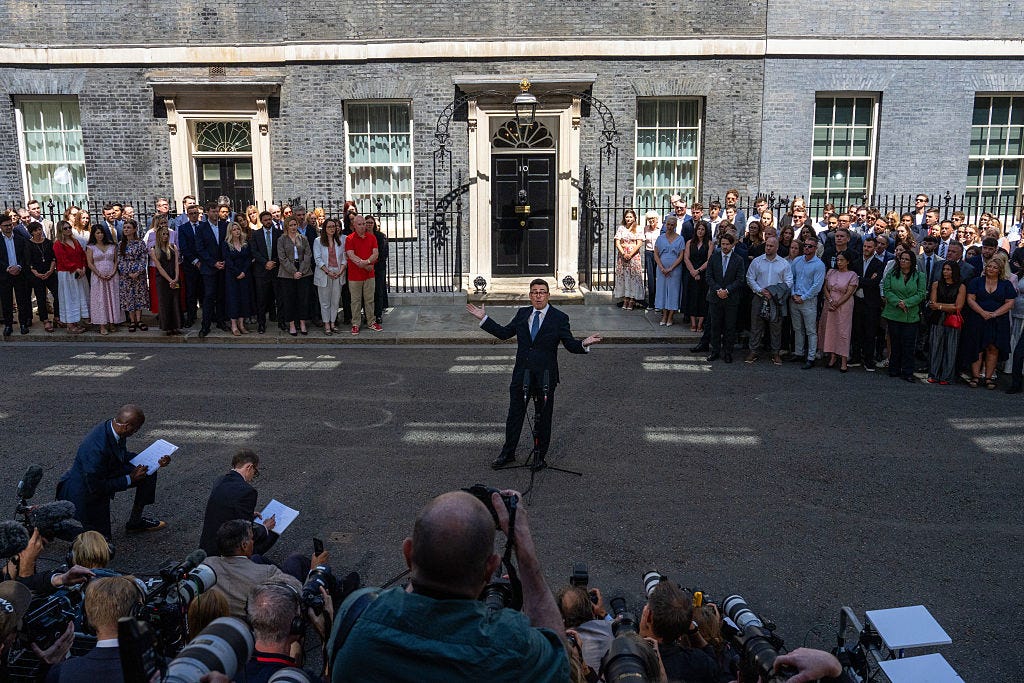
There are many considerations in appointing a cabinet: rewarding loyal supporters, balancing factions, keeping rivals away from the spotlight, and, ideally, competence. They tell you a lot about what new prime ministers are worried about and how they intend to govern.
One thing we learnt from yesterday’s appointments, and some of Burnham’s other early moves, is that he has a much stronger theory of power – a view about how he wants to use the office and what he wants to prioritise – than his recent predecessors.
Throughout his time in office Keir Starmer was strangely passive, waiting for decisions to be presented to him and refusing to settle disputes between ministers. His government looked buffeted by events and u-turns. It is telling that in valedictory interviews he has talked of scrapping the two-child limit as a signature achievement, given it took eighteen months of lobbying by MPs and a mass revolt on welfare to make it happen.
Burnham, though, has indicated not just that he has priorities but that he is willing to make the institutional changes required to make them happen. John Healey’s appointment as Chancellor was part of a wider move to shift the locus of economic policy towards No. 10. I said back in May that I didn’t think Ed Miliband would be Chancellor, not just because of criticism from the right but also because he could create an alternative power base, given support within the party.
Healey isn’t a pushover, and certainly isn’t going to sanction a big increase in borrowing, but he is not going to threaten Burnham. And his views on economic policy are broadly in-line with the prime minister’s. He was responsible for regional economic policy under Gordon Brown, and has since argued that fiscal devolution hasn’t gone far enough. And he pushed for more social housing when he was the minister responsible back in 2009. He is, of course, keen to find more money for defence.
Notably, Healey was appointed after Burnham had given an interview on economic policy, saying that he thought there was flexibility in the fiscal rules and hinting at changes to income tax thresholds. Not the behaviour of someone who plans to sit back and let the Treasury manage the economy. This morning VAT on electricity bills was scrapped. This is the first in what will be a series of “cost of living” announcements that had been lined up by Burnham’s team well before Healey was offered the job (as per my assessment of his policy agenda from a few weeks ago).
In the rest of this post I’ll look at why changes to the No. 10 machine point in the same direction and then at what the rest of the cabinet appointments tell us about Burnham’s likely priorities and concerns, as well as the challenges to come.
Keep reading with a 7-day free trial
Subscribe to Comment is Freed to keep reading this post and get 7 days of free access to the full post archives.